The Global Fund GC7 Integrated Community-Led Monitoring (I-CLM) Project is a collaborative health initiative implemented by the ATM Networks—comprising the TB Network, NEPWHAN, and ACOMIN—in partnership with the Institute of Human Virology Nigeria (IHVN). Operating across all 36 states and the Federal Capital Territory, the project integrates civil society and local communities directly into the national healthcare response by deploying a standardized monitoring framework. This approach empowers grassroots stakeholders to take ownership of their health outcomes by identifying service delivery bottlenecks like clinical stigma and drug shortages, while simultaneously mobilizing domestic resources to upgrade collapsing rural health infrastructure. Under this national framework, responsibilities are divided among the networks, with the TB Network specifically managing 11 states—including Rivers State—across 33 local government areas and more than 200 health facilities.
In Rivers State, the implementation of the I-CLM mechanism from Quarter 4 2025 through June 2026 has successfully shifted public health delivery toward an accountable, people-centered care model. By placing health service recipients at the center of facility oversight, the initiative has driven measurable progress across multiple operational domains. These key achievements include reducing clinical waiting times and medication stock-outs, accelerating the timeline between disease diagnosis and treatment, and establishing robust reporting pathways to combat Sexual and Gender-Based Violence (SGBV). Furthermore, the project has strengthened local health systems by driving facility reactivations and partnering with the Rivers State Contributory Health Protection Programme to boost health insurance enrollment among vulnerable, low-income households.
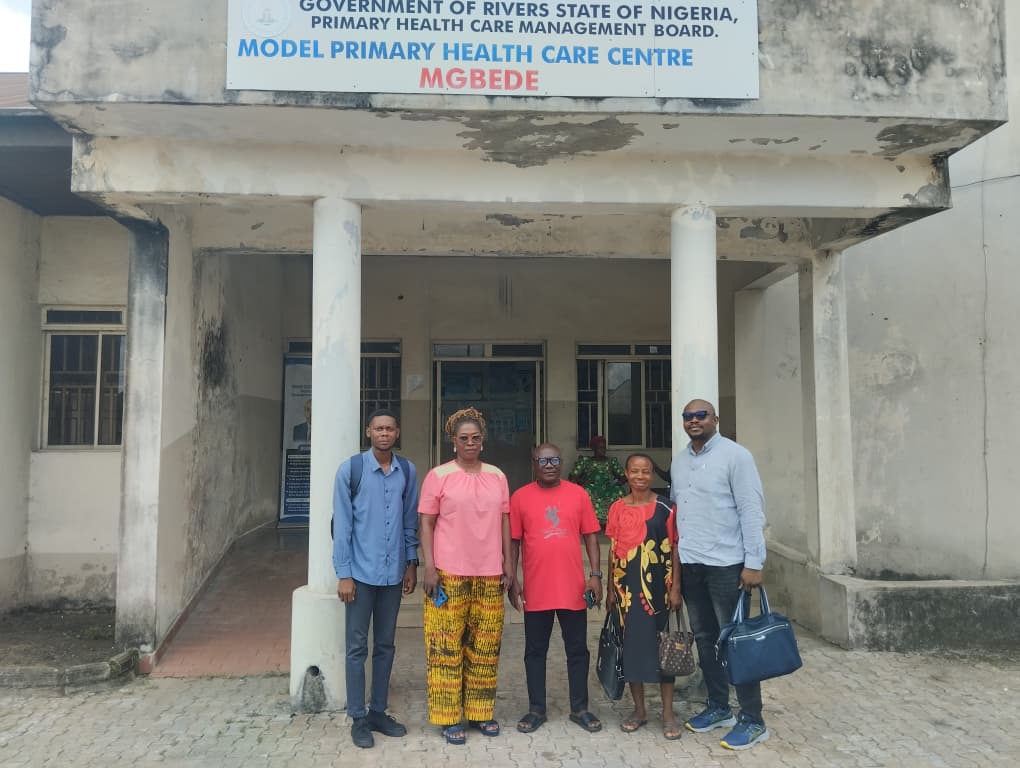
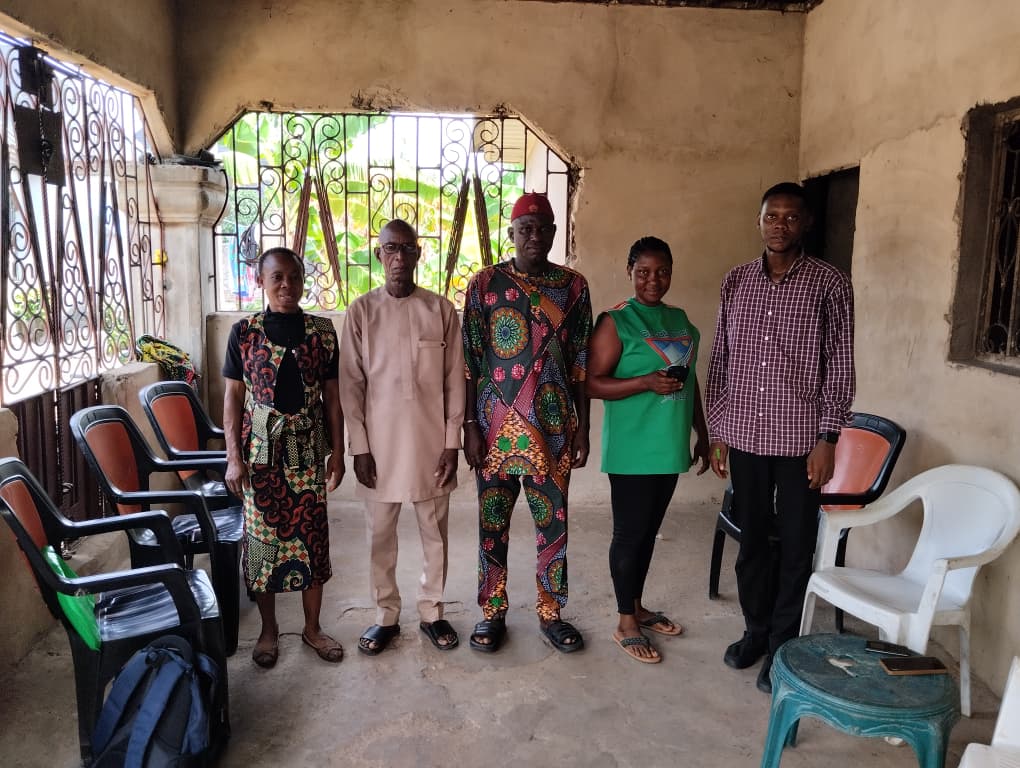
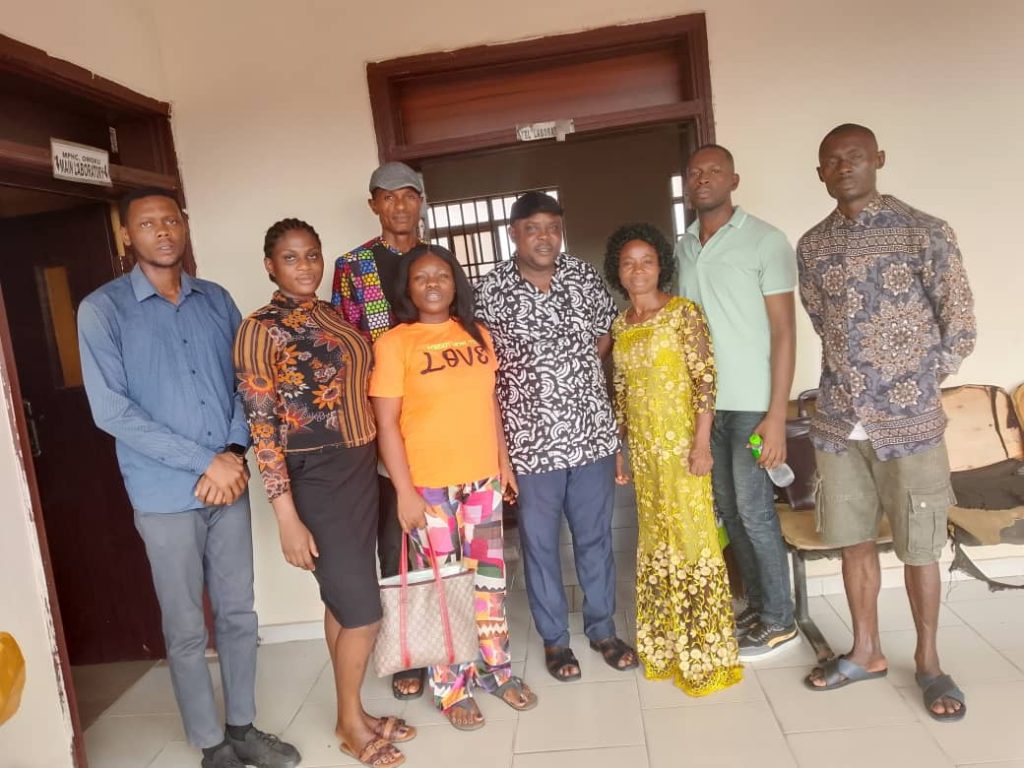
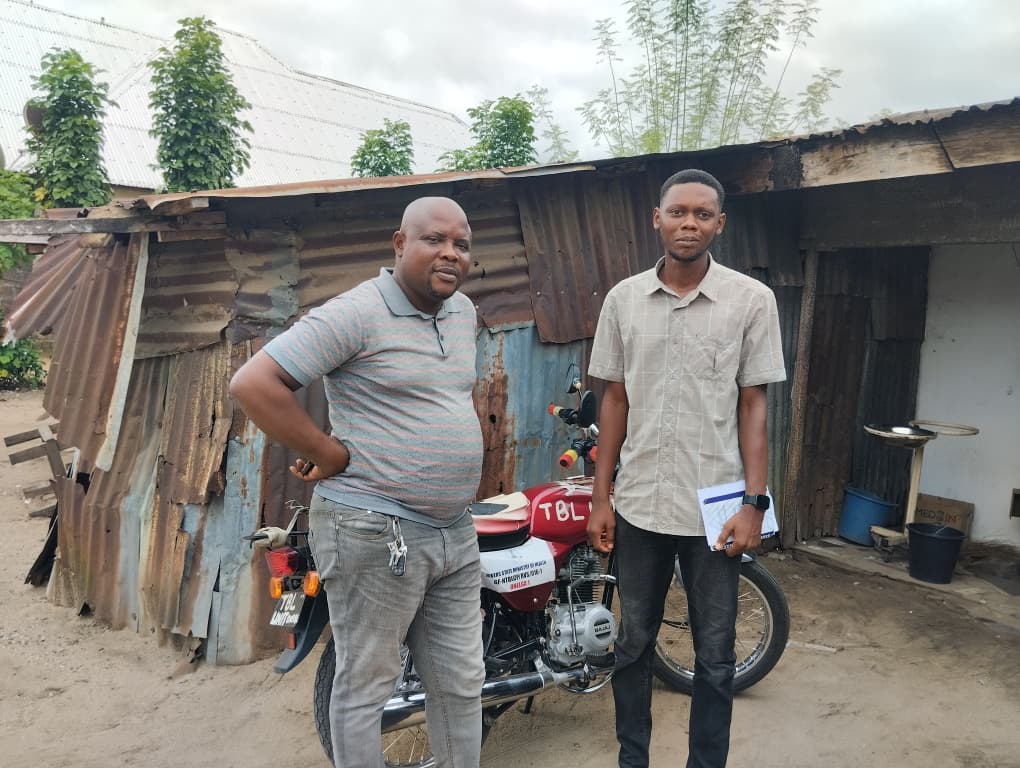
CLMT with National TB Network executives on a supportive visit in MPHC, Mgbede
Executive Overview of Community-Led Monitoring by CHHELD
Throughout the implementation period spanning January to June 2026, the Centre for Human Rights, Health, Ethnic Harmony and Livelihood Development (CHHELD) successfully deployed Community-Led Monitoring (CLM) mechanisms in Ward 11, Ogba/Egbema/Ndoni LGA (ONELGA), Rivers State. This initiative directly built upon foundational operations executed in November and December 2025, during which the team deployed similar monitoring mechanisms and targeted advocacy at the Model Primary Healthcare Centre (MPHC) in Okwuzi Community. Driving these field operations was the Community-Led Monitoring Team (CLMT), which comprises the CHHELD Program Officer, David Prince; a TB survivor, Mrs. Charity Ojike; and a Ward Development Committee (WDC) representative, Mr. Onyemetu Sylvester. Focusing heavily on the MPHC in Mgbede Community for the first half of the 2026 implementation phase, the team utilized Focus Group Discussions (FGDs), Client Exit Interviews (CEIs), Gender-Based Violence (GBV) and Human Rights Outreaches, and Key Informant Interviews (KIIs) to map service delivery gaps in AIDS, Tuberculosis, and Malaria (ATM) interventions. These combined accountability exercises formed the empirical foundation for a multi-layered advocacy campaign aimed at policy makers, traditional rulers, public health administrators, and private sector stakeholders.
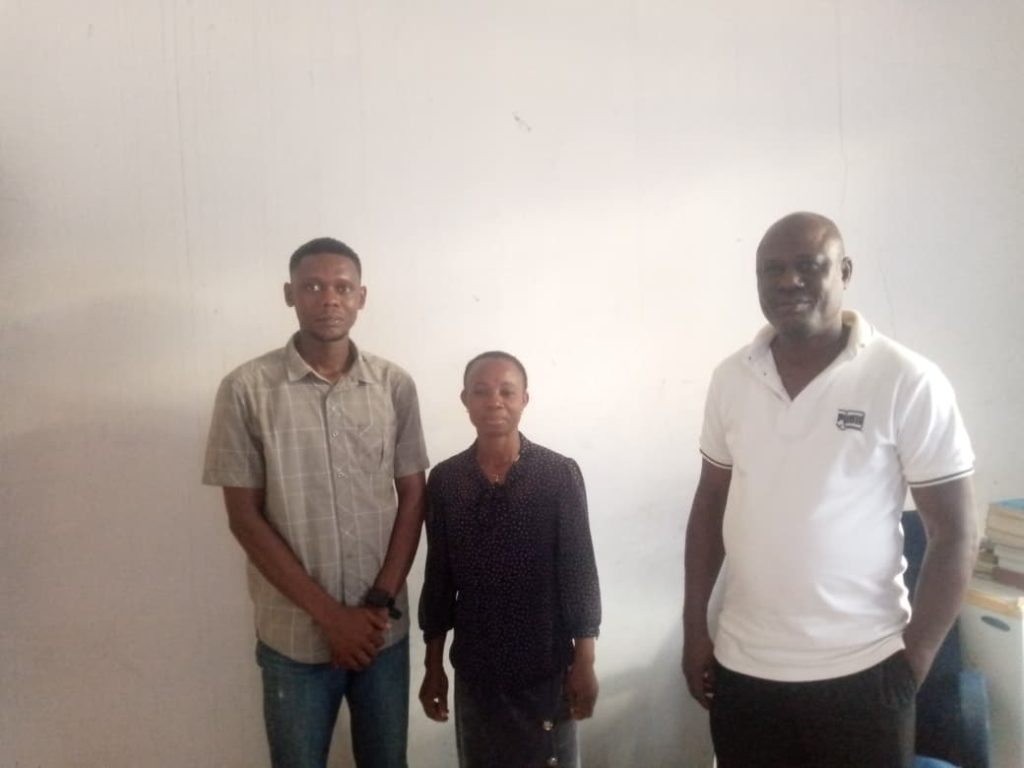
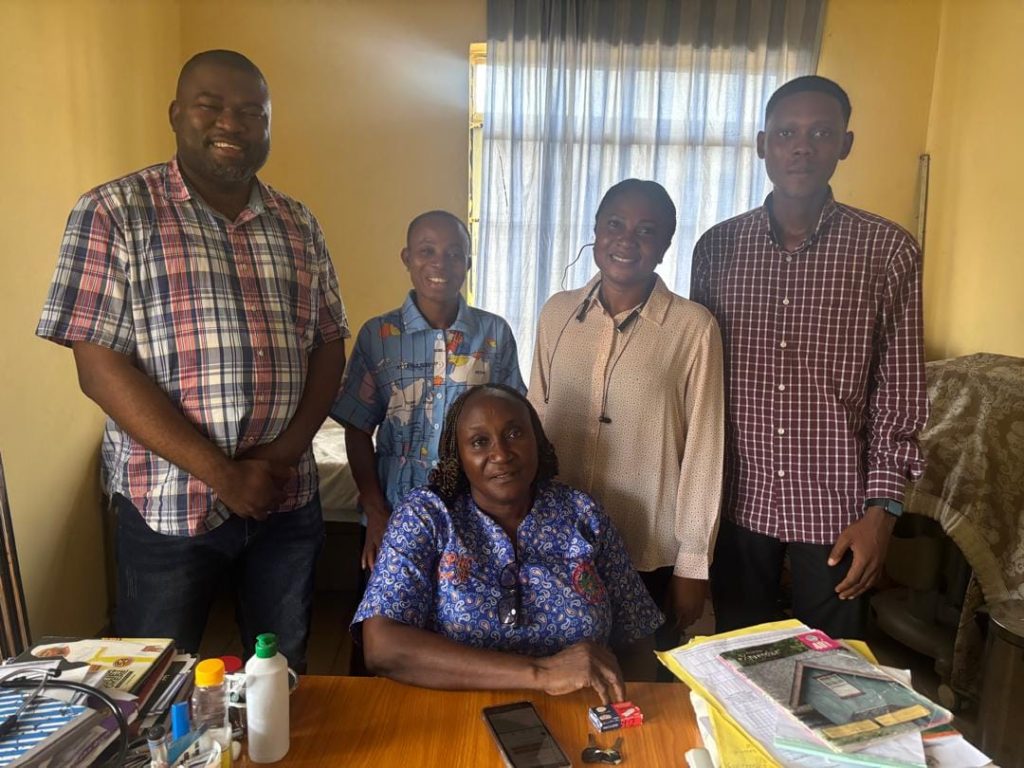
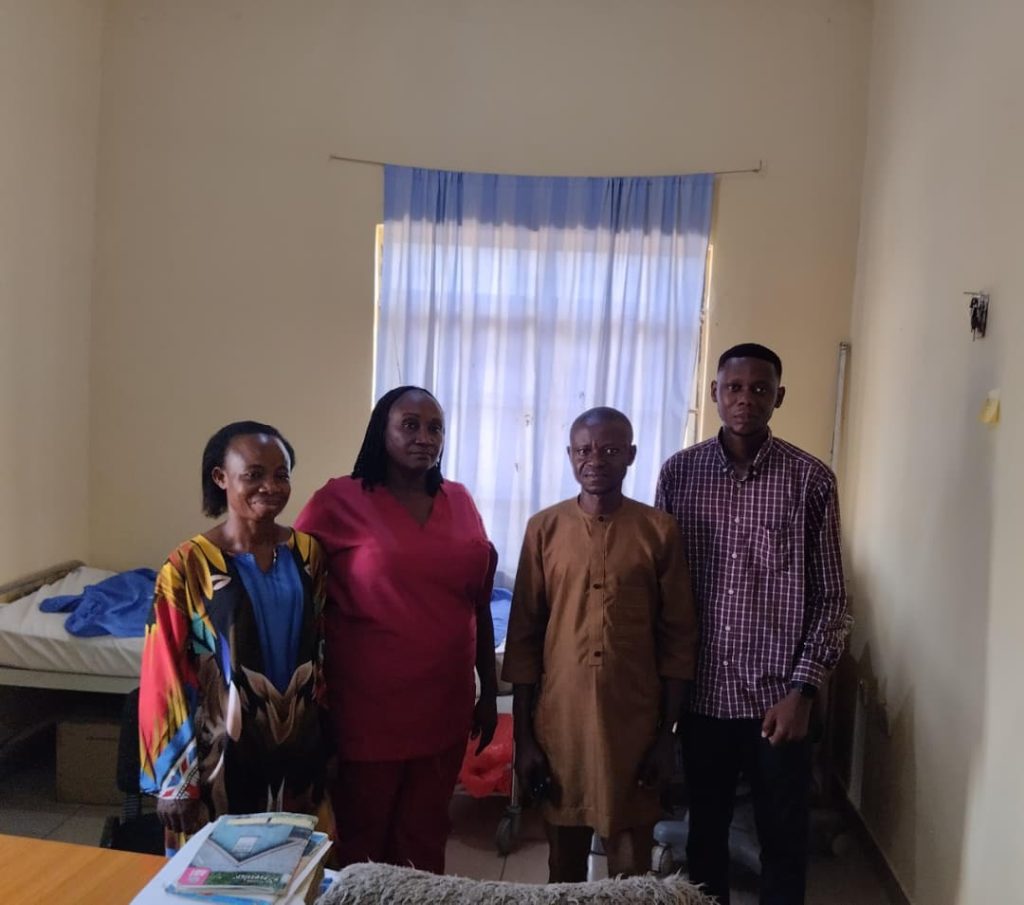
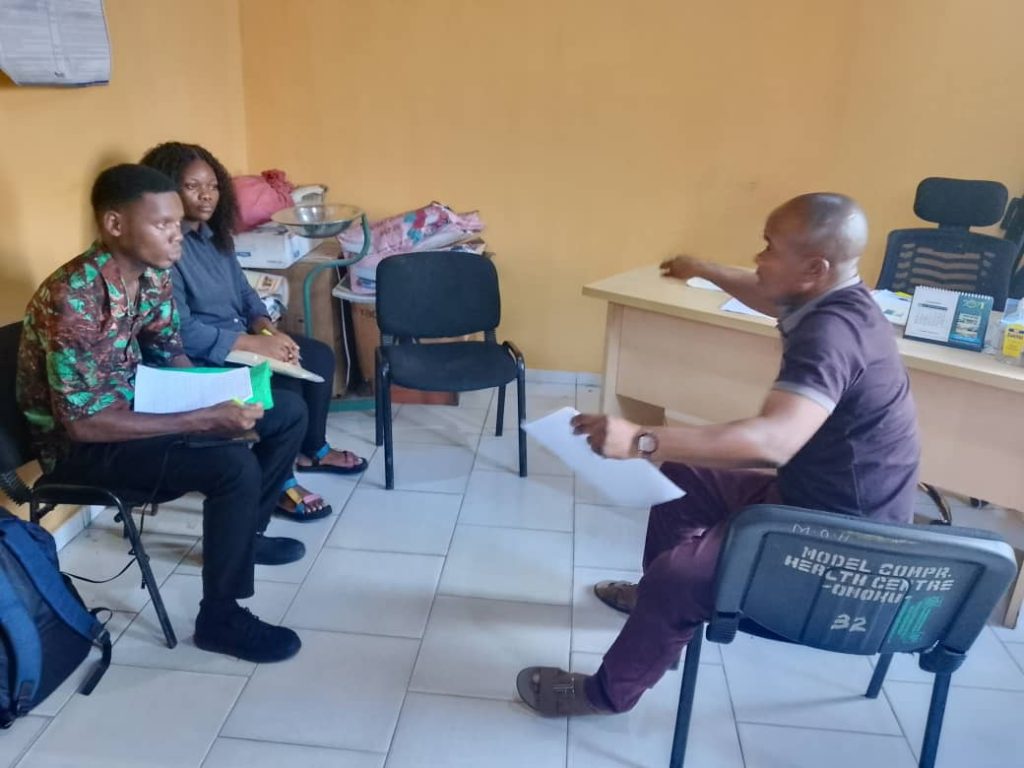
CLMT with Dr. Ekpeye Anthony, Head of Facility, MPHC Mgbede
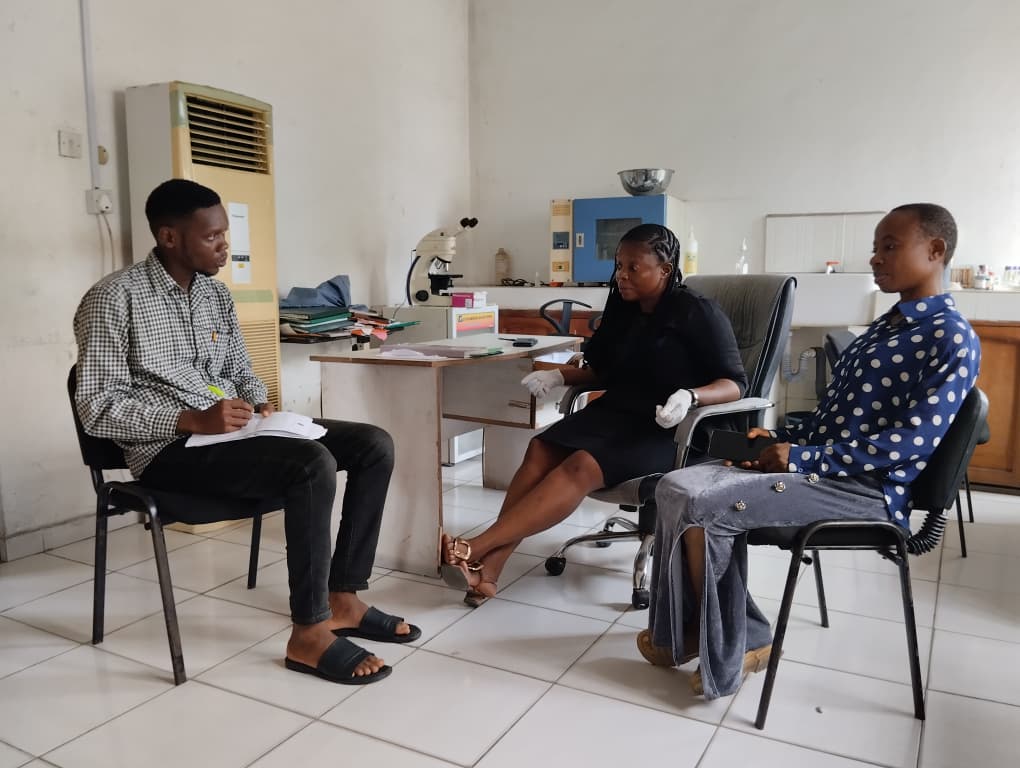
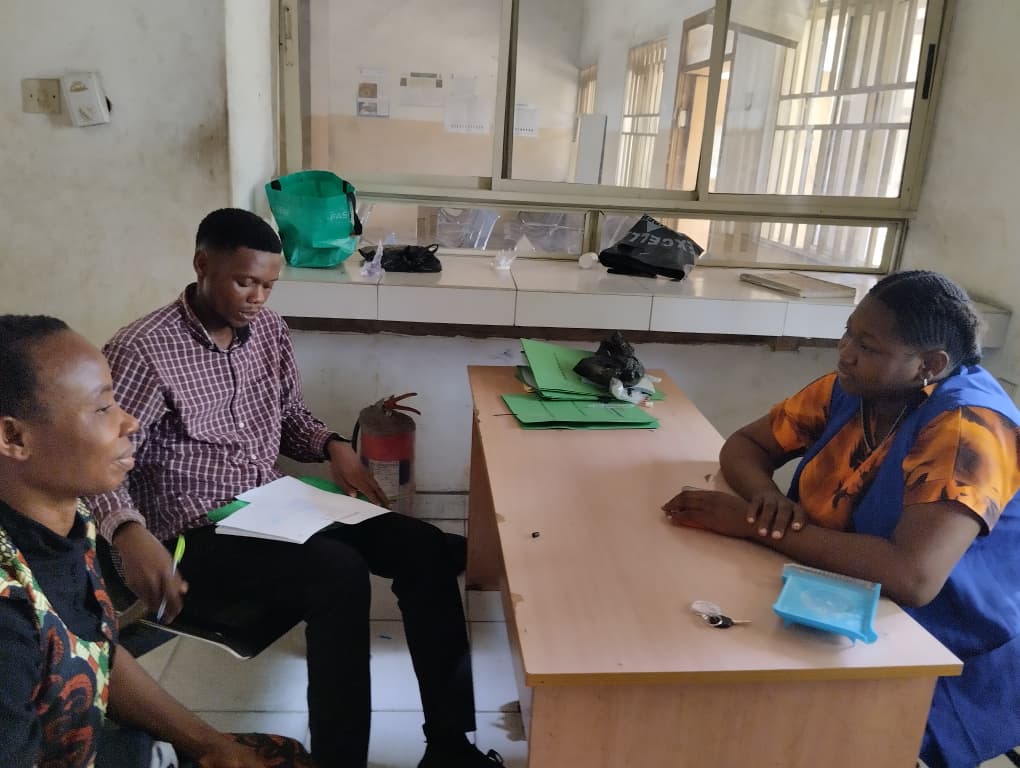
Key Informant Interview with Akzuam Loveth, the Assistant Chief Medical Lab Technician, MPHC Mgbede
Grassroots Dialogue and Facility Assessments
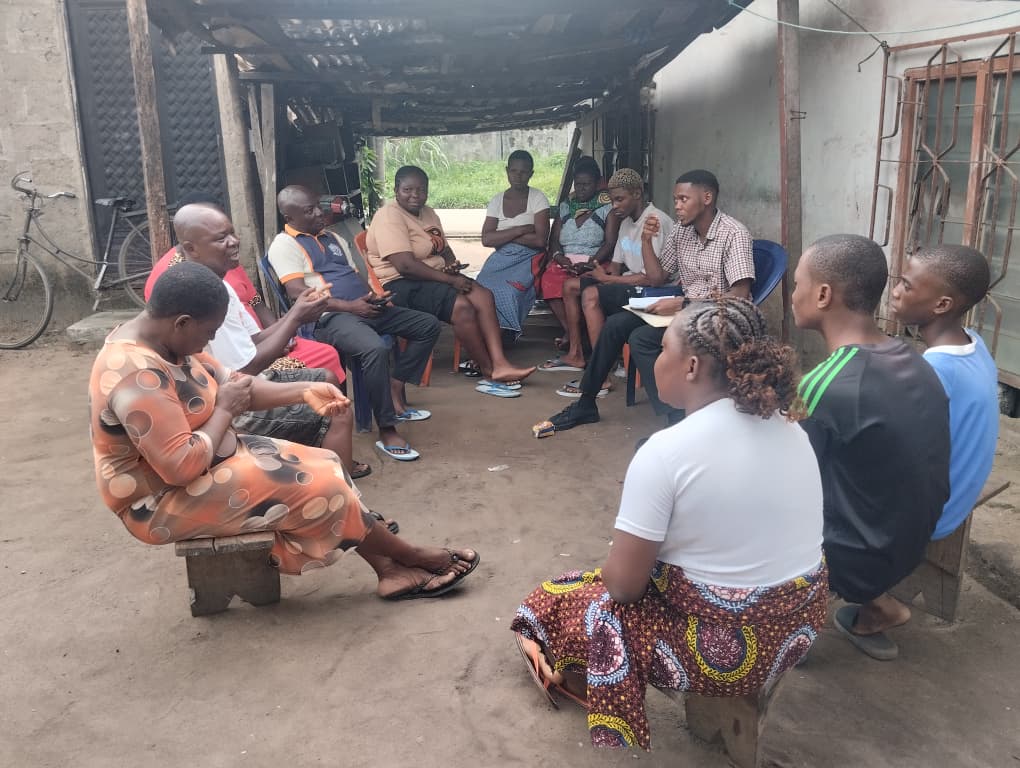
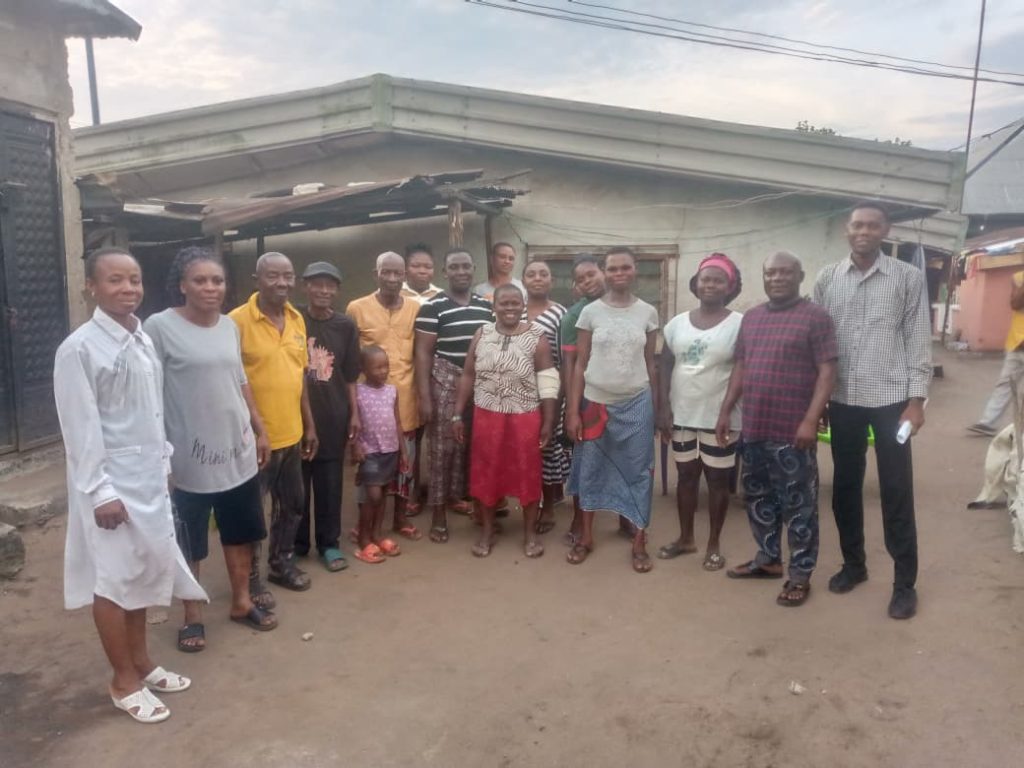
In February and April 2026, the Community-led Monitoring Team (CLMT) established key baselines through Entry and Exit Focus Group Discussions with community members, alongside a detailed technical assessment with the Head of Facility, Dr. Ekpeye Anthony, and Mrs. Akzuam Loveth, the Assistant Chief Medical Lab Technician, Model Primary Healthcare Centre, Mgbede. These initial activities exposed severe infrastructure deficits—including broken sewage systems and unhygienic maternity wards—compounded by acute staffing shortages, and drug stock-outs, all causing dissatisfaction amongst clients and discouragement of community members in accessing ATM services. In April 2026, the team expanded its grassroots reach by conducting a second entry FGD, successfully navigating language and literacy barriers by utilizing local dialects to demystify Tuberculosis transmission and map healthcare utilization
Key Informant Interview with Dr. Pelebo Emmanuel, Medical Officer Health, ONELGA
Administrative and Sectoral Advocacy Engagement
To address supply chain breakdowns and operational friction, the CLMT advanced to targeted advocacy visits to key administrative actors. Engagements with the ONELGA Primary Healthcare Authority Admin Officer, Mr. Umeka Silas, and the LGA M&E Officer, Mr. Singer Douglas, focused on resolving documentation deficits, which successfully resulted in the tracking and physical replacement of depleted general outpatient registers at the facility.
In June 2026, advocacy efforts escalated to address acute diagnostic and medication stock-outs. The team engaged the LGA HIV/AIDS Desk Officer, Mrs. Alice Nwachukwu, to secure an emergency resupply pipeline for HIV confirmatory test kits, and successfully petitioned the Roll Back Malaria Focal Person, Mrs. Harry Doris Ajumoku, to address severe deficits in free Artemisinin-based Combination Therapies (ACTs). High-level administrative dialogue culminated in a joint KII with the Medical Officer of Health for ONELGA, Dr. Pelebo Emmanuel, to secure long-term institutional backing and streamline facility-to-state data pathways.
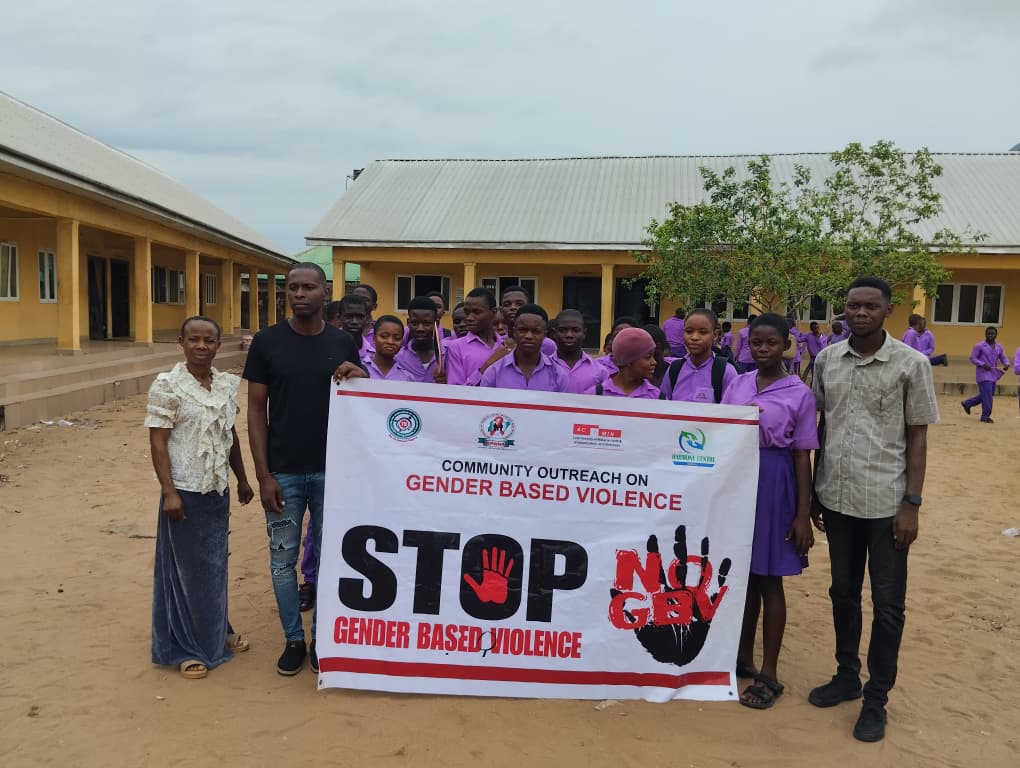
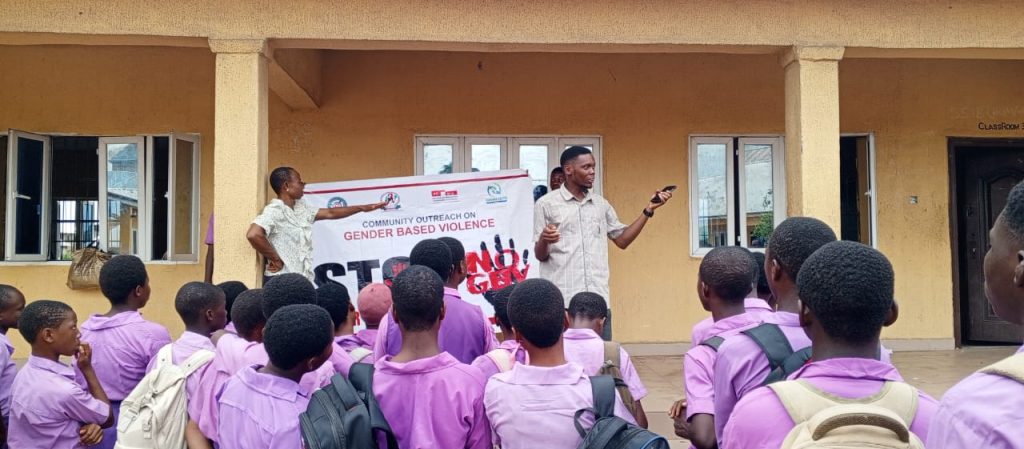
Group photograph with Students of Community Secondary School, Mgbede, ONELGA during GBV Outreach
Gender-based Violence and Human Rights (GBV-HR) Outreaches
Parallel to clinical monitoring, the team executed vital human rights and digital safety initiatives targeting vulnerable youth. In March 2026, the project participated in a quarterly outreach at Government Secondary School, Obrikom, educating students on gender equity and the technical reporting pathways for Gender-Based Violence (GBV). This rights-based framework was extended in April and May 2026 through school outreaches at Community Secondary School, Mgbede and Community Secondary School, Okposi, respectively—all in ONELGA—empelling students to act as community change agents, break the silence surrounding domestic and emotional abuse, and utilize national toll-free lifelines for survival support.
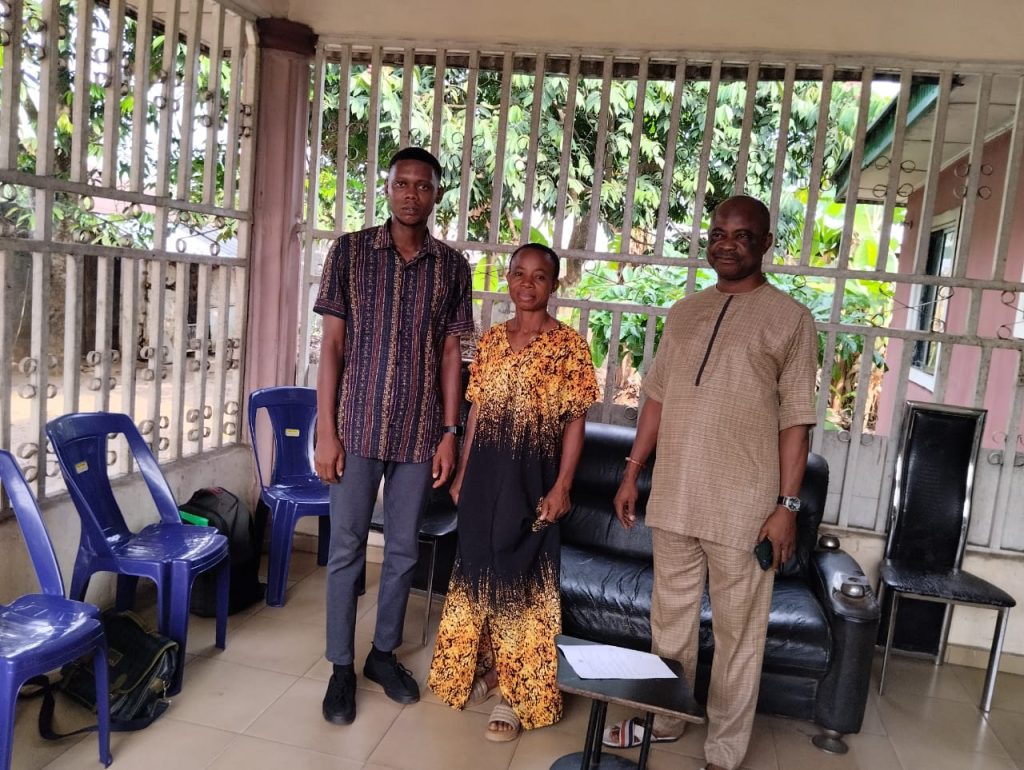
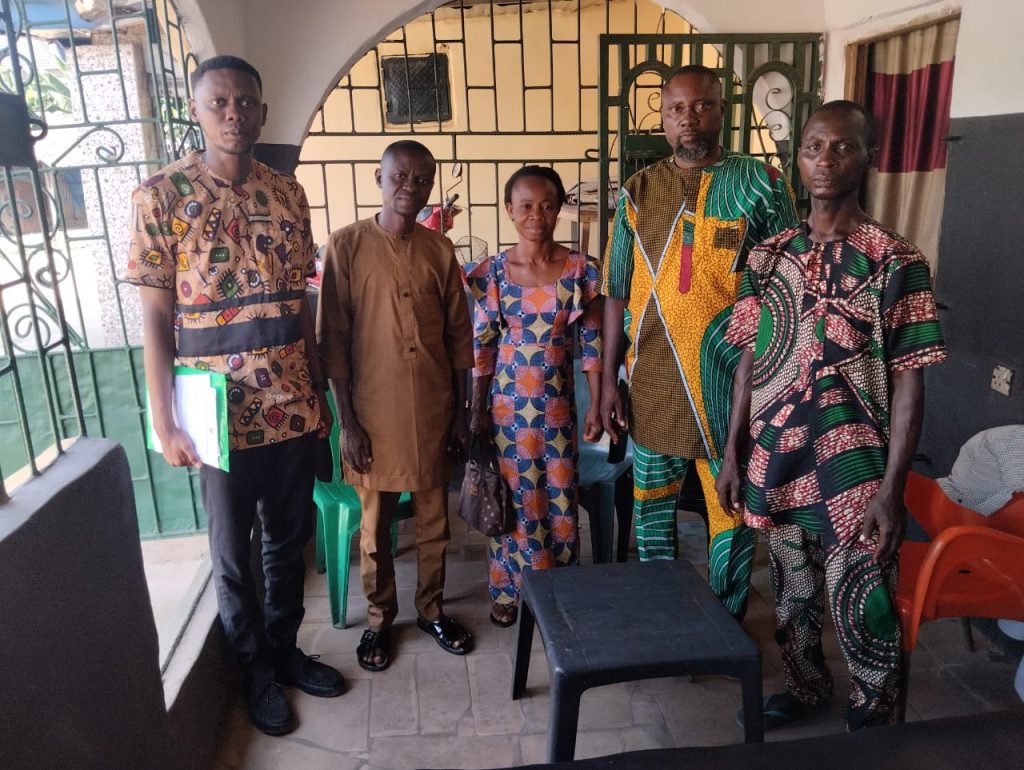
Advocacy visit to Chief Emeka Nwamuoha (Eze Ohanyiri 1) and Chief Ezeigwe Norman Ome in Mgbede Community, ONELGA
Advocacy Visit to Chief Precious Omurujia, CDC Secretary, Mgbede Community
Private Sector Resource Mobilization
Recognizing the limitations of over-centralized state funding, the final phase of advocacy in June 2026 introduced a strategic private sector mapping model. The CLMT conducted targeted interventions with local business leaders, including Mr. Felix Okamadu, Director of Doss Empire Limited, and Mr. Uzochukwu Enwereazu, Manager of Nkisa Hotels Limited. These engagements successfully translated clinical deficiency data into corporate social responsibility pitches, securing administrative commitments from both firms to review material needs lists and explore corporate donations of furniture, building materials, and structural renovations for the Mgbede health center.
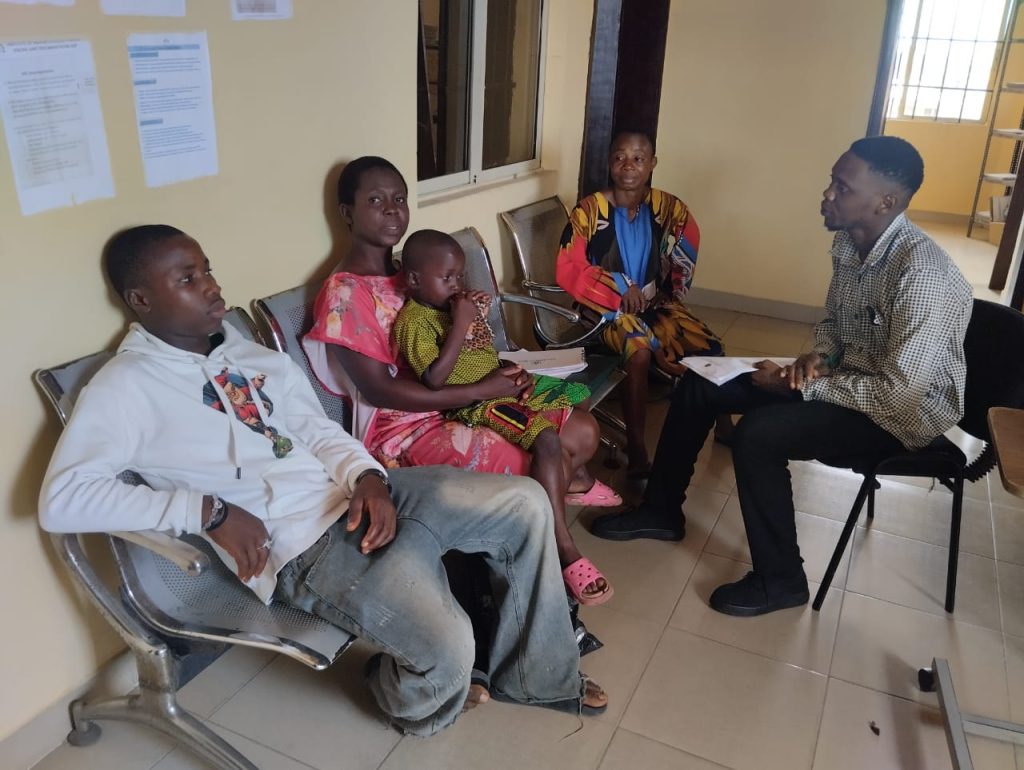
Cross Section of Exit Focus Group Discussion with Mgbede community members
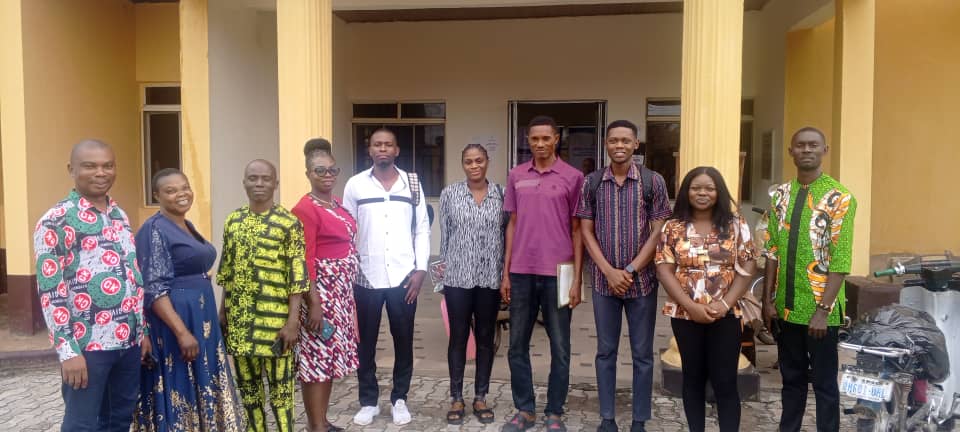
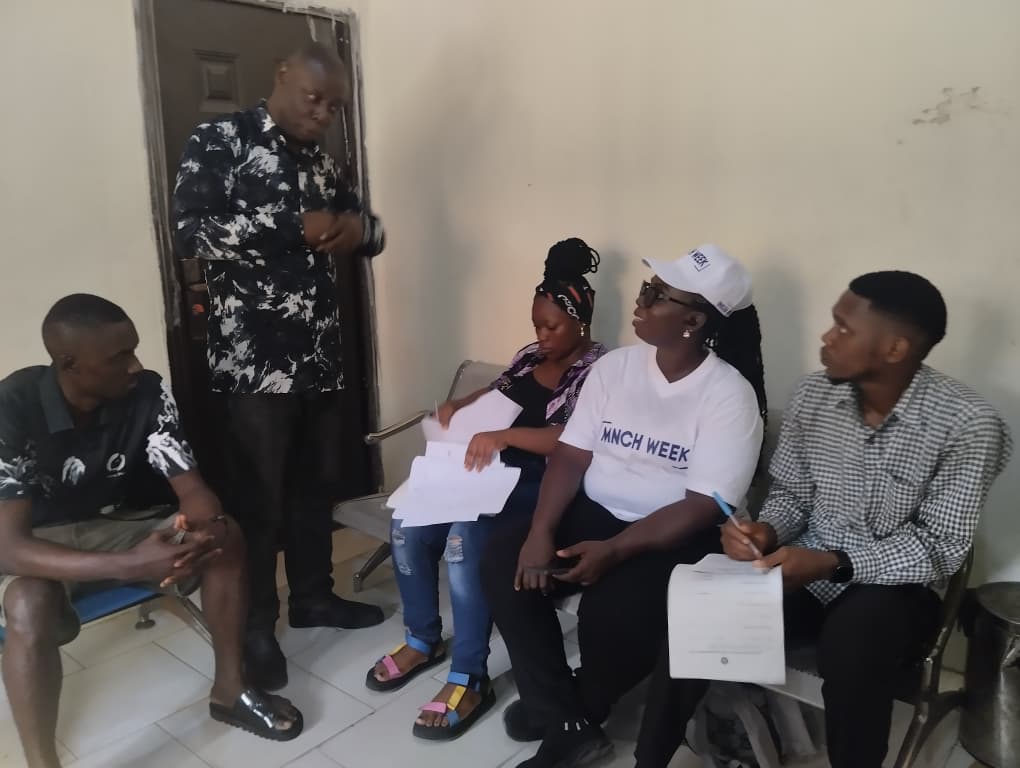
Group photograph of participants during Entry Focus Group Discussion
Success Stories
Cultivating Gender-Inclusive Leadership and Trust
Early monitoring identified that local mothers were bypassing professional health services for high-risk, unregulated village alternatives due to maternal billing confusion. Strategic advocacy visits to the Mgbede Women Leader successfully activated a continuous, peer-led sensitization campaign. By explicitly addressing social anxieties and guaranteeing strict medical confidentiality in coordination with the facility head, this intervention effectively repaired patient-provider rapport and built a safe, stigma-free environment for women to return to professional antenatal and maternal care.
Structural Policy Escalation
The ultimate indicator of the project’s advocacy trajectory occurred when the local health management and traditional leadership structures shifted from passive dependency to active systemic engagement. Driven by the continuous follow-up visits to the Community Development Committee (CDC) Secretary, Chief Precious Omurujia, and traditional chiefs, the facility management formally documented its operational hurdles. In a major breakthrough, the CDC adopted these priorities and directly petitioned the Rivers State Primary Healthcare Management Board, ensuring that grassroots facility deficits were formally elevated to state-level decision-makers for structural budgetary intervention.
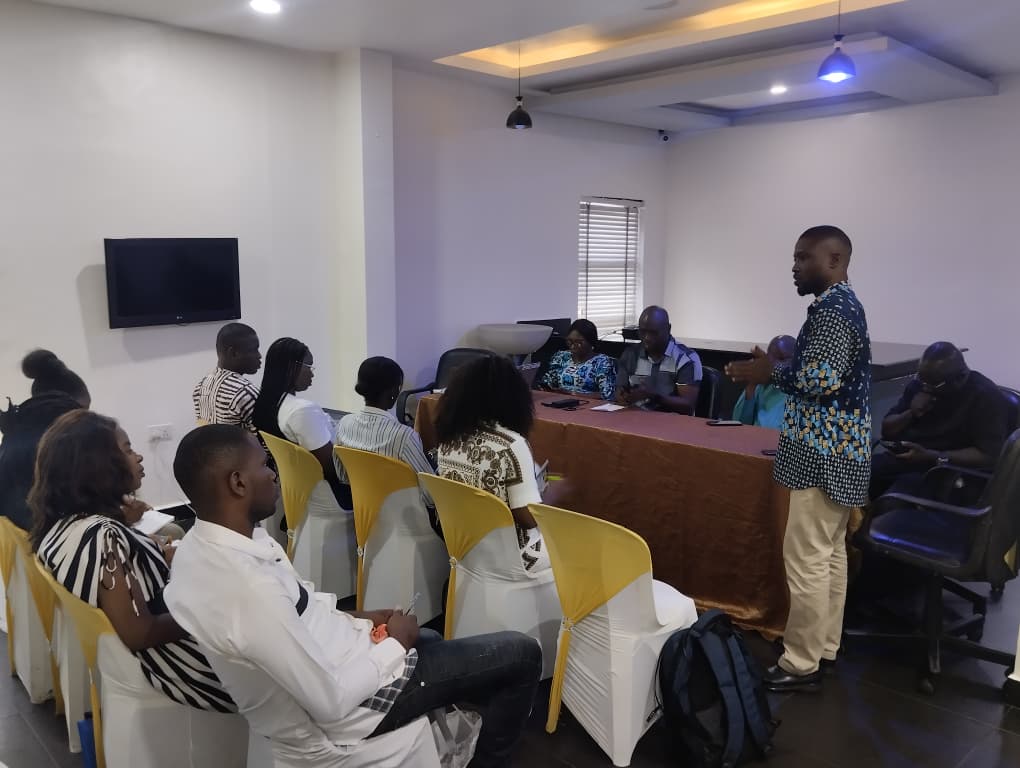
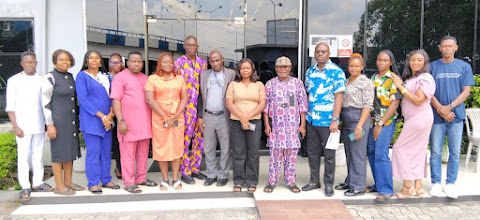
TB Network (Rivers State) Coordination Meeting
Conclusion and Sustainability Plan
The successful deployment of the Integrated Community-Led Monitoring (I-CLM) framework from November 2025 through June 2026 has firmly established a culture of health accountability, systemic transparency, and community ownership within Ogba/Egbema/Ndoni LGA (ONELGA). By transitioning facility assessments into targeted legislative, administrative, and private-sector advocacy actions, the project has permanently bridged the gap between grassroots clinical deficits and state-level policy decisions.
Crucially, while the active monitoring phase will formally migrate to a new healthcare facility within the LGA to scale up the project’s reach, advocacy operations within the Okwuzi and Mgbede communities will not cease. The robust community structures cultivated over the past eight months—including the trained Ward Development Committee (WDC) representatives, local women leaders, traditional rulers, and the dedicated Community-Led Monitoring Team (CLMT)—will continue to independently drive, sustain, and expand these advocacy efforts. This ensures that the progress achieved in strengthening AIDS, Tuberculosis, and Malaria (ATM) service delivery remains permanent, safeguarding the health rights and well-being of vulnerable populations across all monitored facilities.
Gallery
Advocacy Visit to the Mr. Victor Edemede, ONELGA TBLS and Cascade Manager, Amadi Confidence at MPHC, Okwuzi
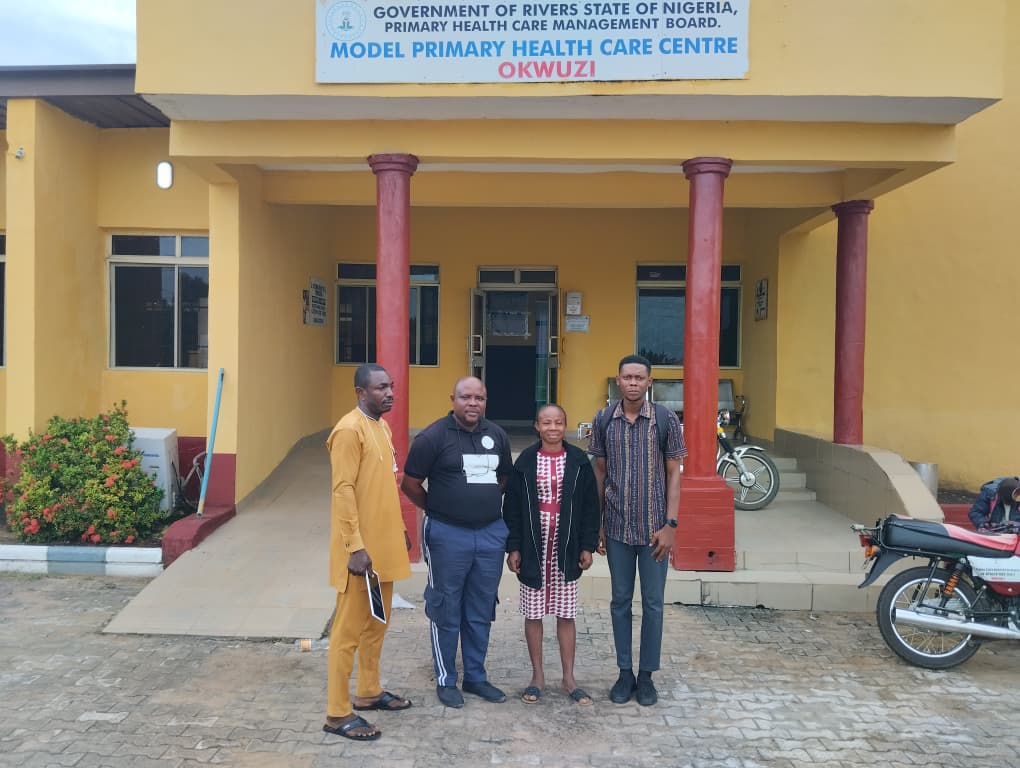
CLMT with TB Network National Officers (Mr. Akpa Samuel and Mrs. Queen) and Matron Weje Obunwo, Head of Facility, Model Primary Healthcare Centre, Okwuzi
Advocacy Visit to Chief Dr. Nelson Ekpere (JP), Onueze of Okwuzi Community
Group photography of Mr. Victor Edemede, ONELGA TBLS and CLMTs after Key Informant Interview
CHHELD CLMT with Matron Weje Obunwo , HEad of Facility, Model Primary Healthcare Centre, Okwuzi, ONELGA
Advocacy Visit to Comrade Uchenna Nwaribe, Youth President, Okwuzi Community
Advocacy Visit to ONELGA Primary Healthcare officials at Model Primary Healthcare Centre, Omoku
Advocacy Visit to the TB Focal Person, ONELA, Mr. Victor Edemede
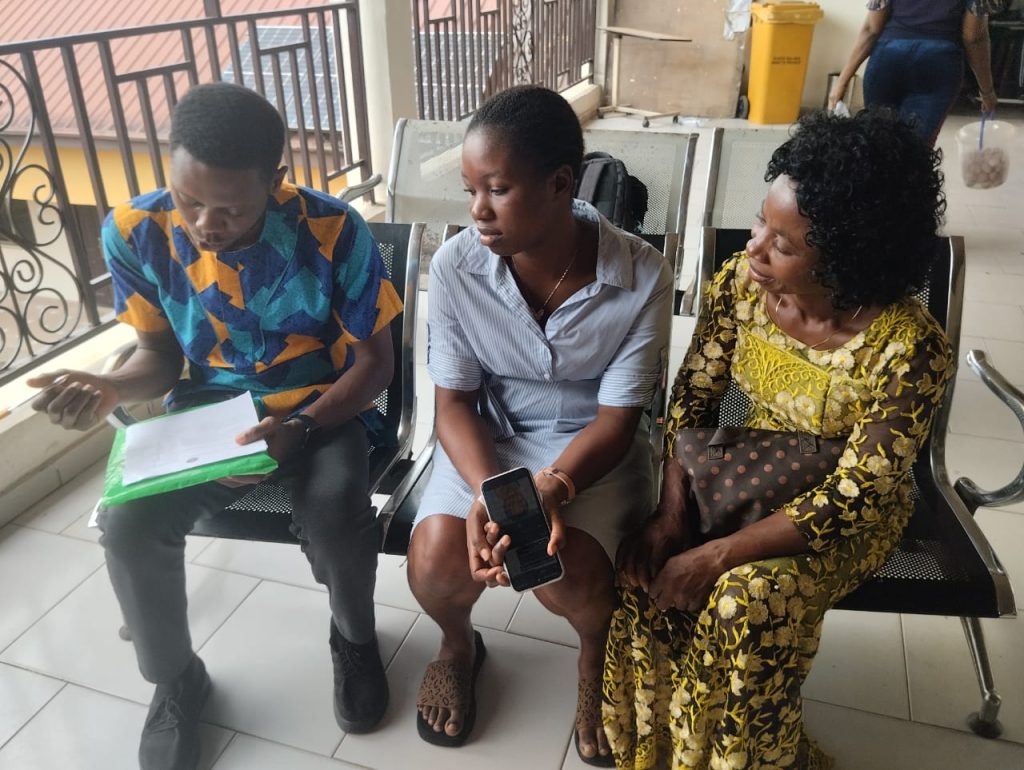
Client Exit Interview with client who acessed ATM Services
Client Exit Interview with client who acessed ATM Services
Advocacy Visit to Pharmacist Miracle Innocent, Mgbede Primary healthcare centre
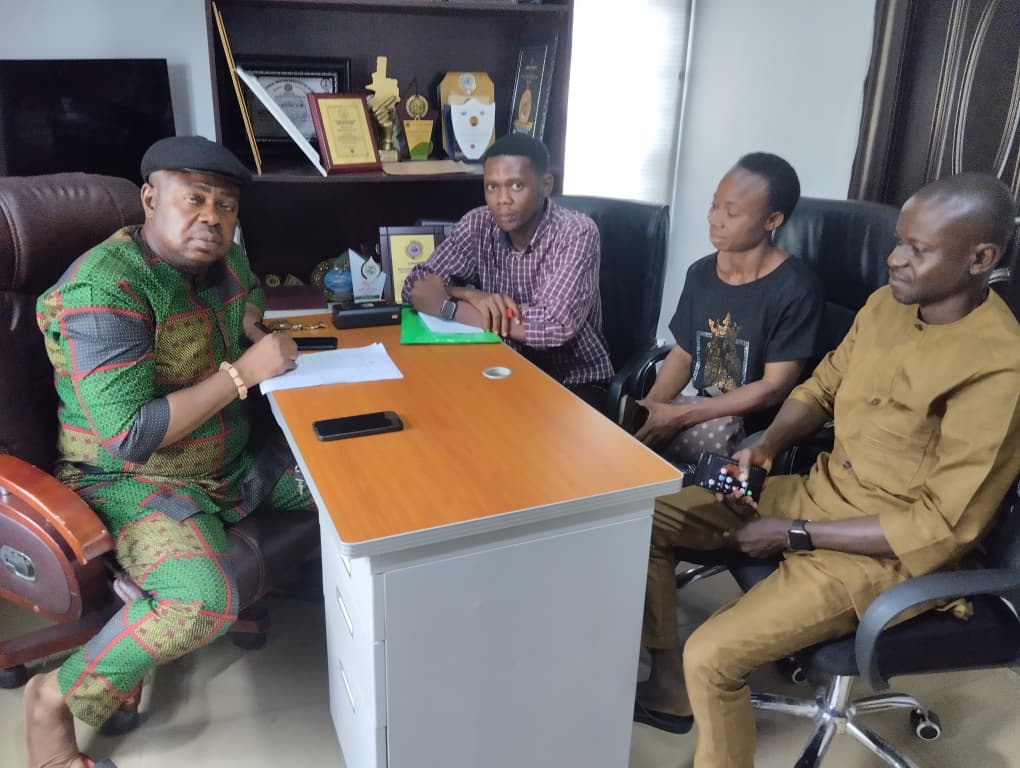
LGA level Key Informant Interview with Mr. Silas Umeka, Admin Officer, ONELGA Primary Health Authority
Advocacy visit to Ojo Chinonye, lab scientist, MPHC Okwuzi, ONELGA
Advocacy visit to Mrs. Harry Doris Ajumoku, Roll back malaria focal person, ONELGA
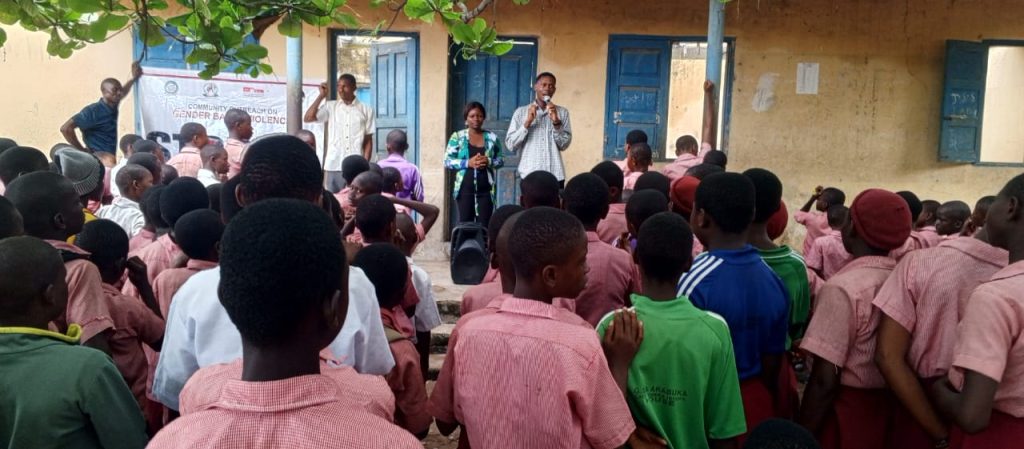
David Prince, CHHELD Program officer speaking to students of Community Secondary School, Mgbede on Gender based violence and Human Rights during outreach
David Prince, CHHELD Program officer speaking to students on Gender based violence and Human Rights during outreach