Introduction
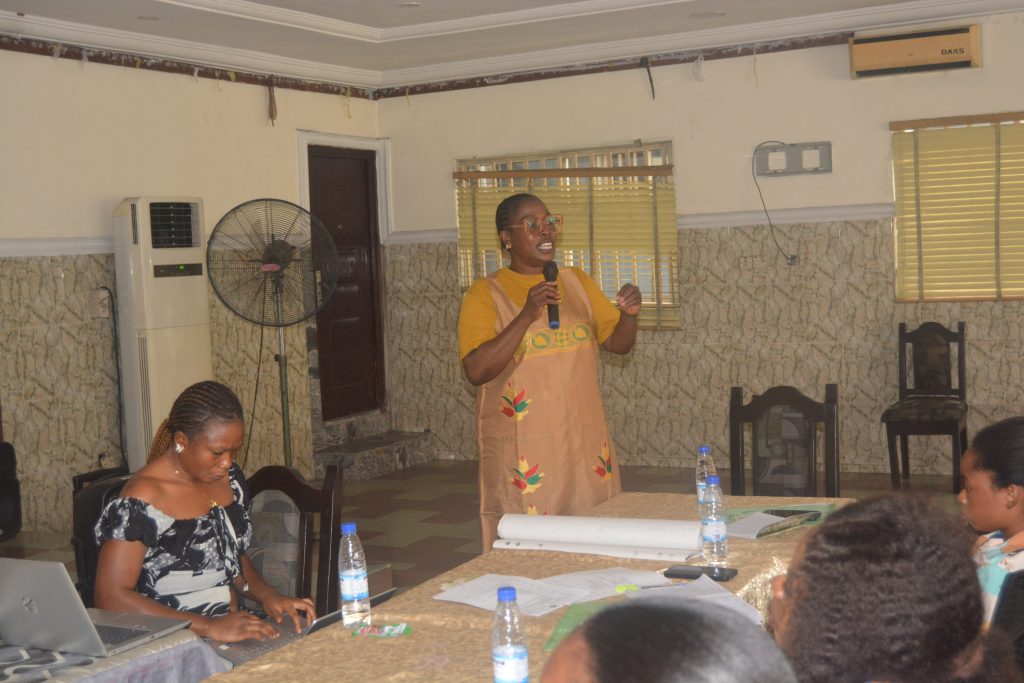
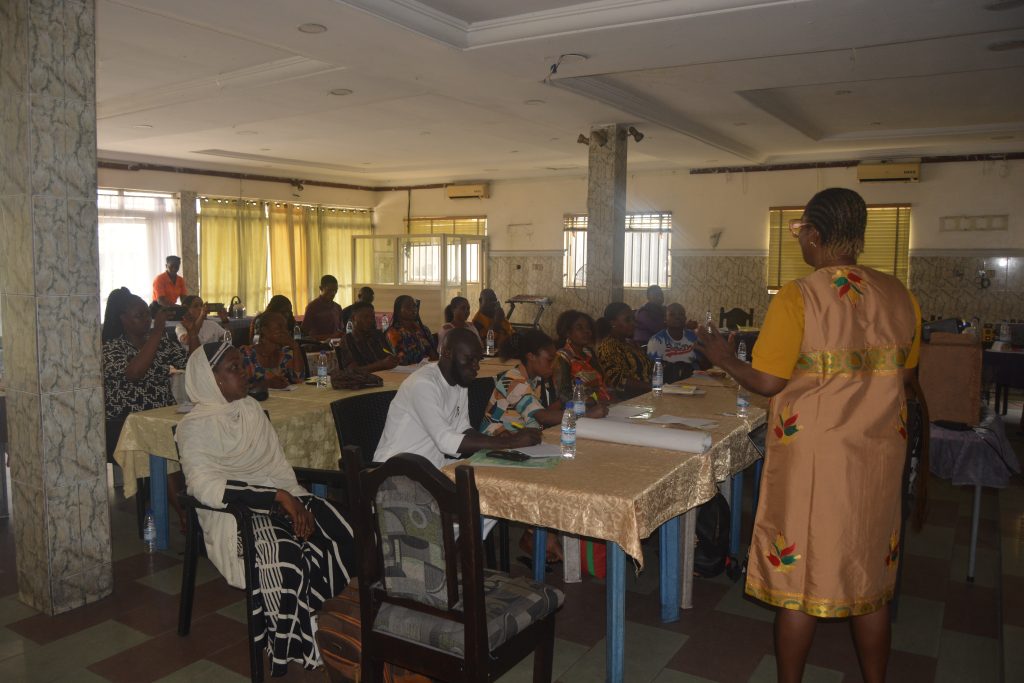
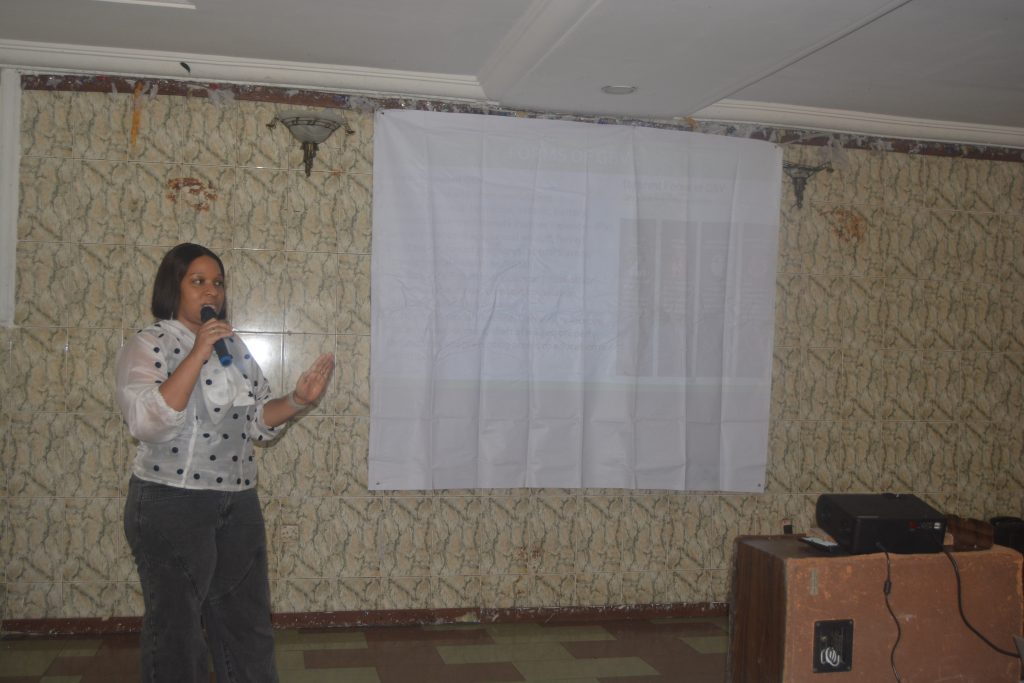
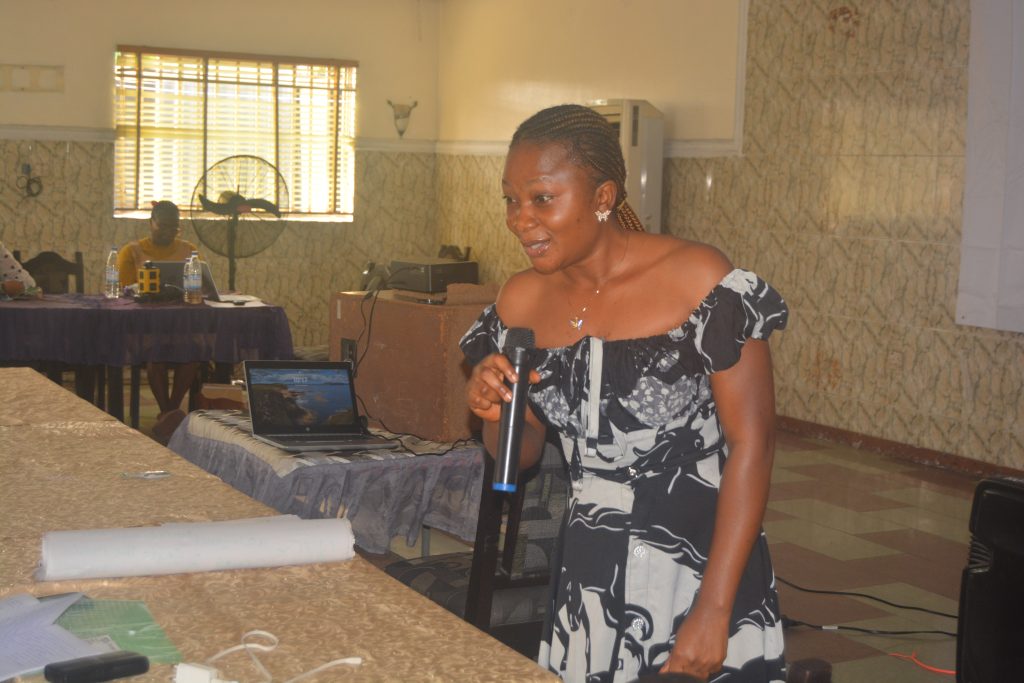
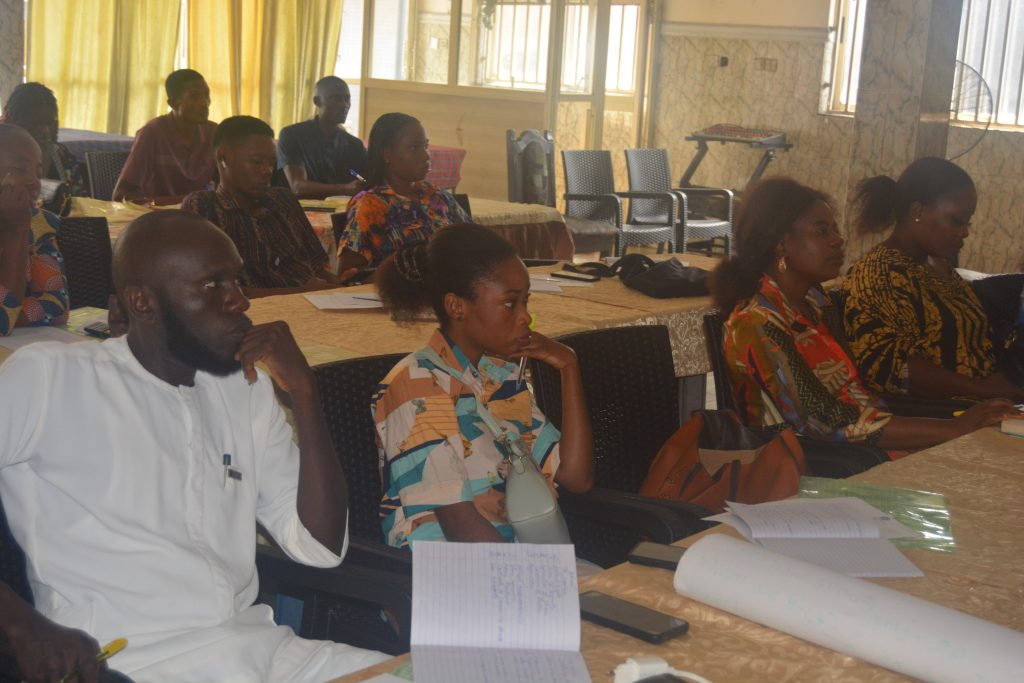
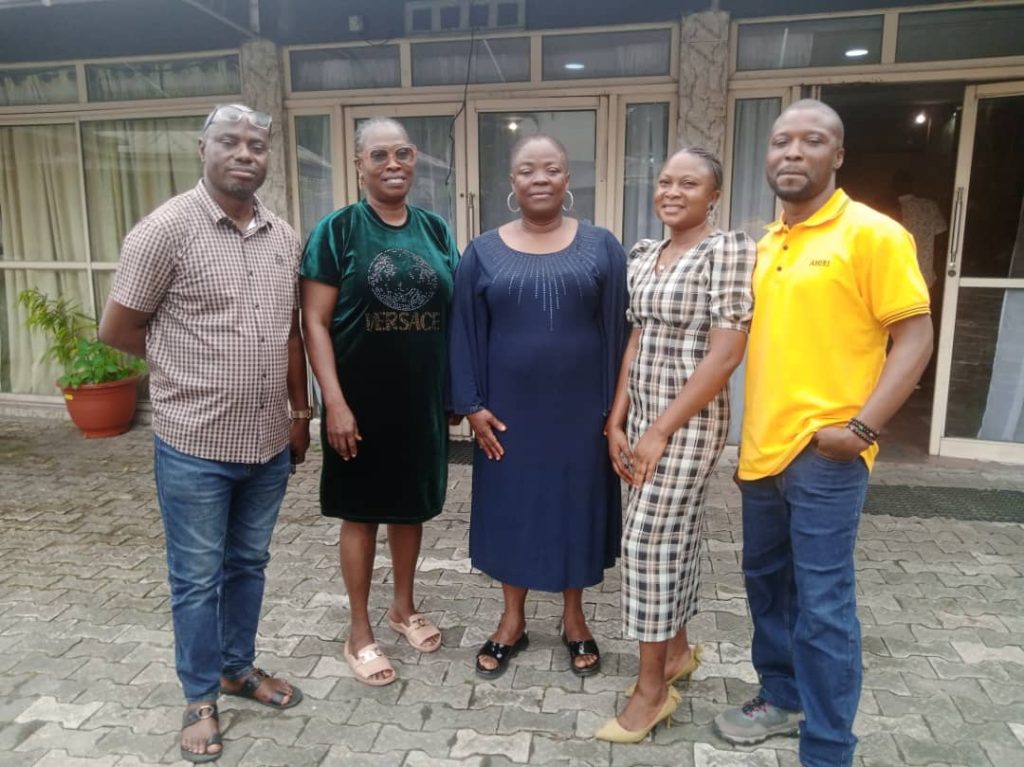
CHHELD took part in the State Level Training of Trainers organized by the Civil Society for the Eradication of Tuberculosis in Nigeria with support from the Global Fund. The training prepared selected community-based organizations in Rivers State to carry out Community-Led Monitoring of TB, HIV, and malaria services. The project is being implemented in Port Harcourt City, Obio/Akpor, and Ogba/Egbema/Ndoni (ONELGA) Local Government Areas. Each LGA has multiple community-based organizations serving as implementers. CHHELD is one of the implementing partners working in ONELGA. David Prince, Project Coordinator represented CHHELD throughout the two days of training activities and engagement.
Overview of the TB Network, Global Fund ATM Grant and Community-Led Monitoring (CLM) Project
The Civil Society for the Eradication of Tuberculosis in Nigeria (TBNETWORK) is a national network of Nigerian civil society organizations (CSOs) dedicated to combating tuberculosis (TB). Founded in 2010, it comprises Non-Governmental Organizations (NGOs), Faith-Based Organizations (FBOs), and Community-Based Organizations (CBOs) all working on TB prevention and mitigation.
TBNETWORK was established to address the need for a unified platform to represent and coordinate the efforts of CSOs working on TB in Nigeria. 1 Its formation was the result of collaborative efforts between CSOs and key stakeholders in the Nigerian TB response, with initial support from the USAID/ENHANSE project. A series of meetings in 2009 laid the groundwork for the network, including defining its vision, mission, structure, and overall direction.
The Global Fund to Fight AIDS, Tuberculosis, and Malaria mobilizes and invests resources to end the three diseases. The grant supports prevention, testing, treatment, and care. It helps strengthen health systems and
Community-Led Monitoring Project is a community-driven approach led by civil society organizations and affected communities. It involves collecting information from health facilities and communities to understand the reality of access to TB, HIV, and malaria services. The findings are used to improve service quality and strengthen accountability. CLM addresses challenges such as treatment delays, stigma, service gaps, and barriers that affect patient experience. CLM is aimed at improving understanding of service delivery conditions, identification of challenges that affect treatment access and completion, support of early health seeking behavior, promoting shared responsibility for service improvement and to strengthen collaboration between communities and health systems.
CLM and Community Health System Strengthening
CLM promotes community ownership of health processes. It improves collaboration between health facilities and community members. It supports participatory feedback in planning and service improvement. It builds the capacity of community-based organizations to engage health authorities and facility leadership. CLM helps identify delays in diagnosis, treatment interruption, stock-outs, and stigma. It ensures the voices of affected persons are included in service improvement decisions. It improves referral networks and encourages timely treatment seeking.
CLM Implementation Approach
CLM activities will take place at the facility, community, and state levels. Facility monitoring will observe service flow, client experience, medication availability, and staffing. Community engagement will document how people seek care, their concerns, and any obstacles. Advocacy will involve presenting findings to facility heads, community leaders, and health authorities to support corrective action. These activities will be conducted across PHALGA, Obio Akpor, and ONELGA. CHHELD is one of the implementing partners working in ONELGA.